


5 Golden Keys to Better Lash Retention: How to Prevent Early Lash Shedding After Application
Few things are more frustrating for a lash artist than hearing a client say, “My lashes fell out too fast.”
When this happens, many lash artists immediately think the adhesive is the problem. They switch to a more expensive glue, hoping it will solve everything. But in reality, lash adhesive is only one part of the retention equation.
A long-lasting lash set depends on the combination of proper cleansing, room conditions, application technique, final checking, and client aftercare. Even the best adhesive will not perform well if the natural lashes are oily, the humidity is unstable, the placement is incorrect, or the client does not know how to care for the set at home.
In this blog, LavisLash shares the 5 key factors that help salon owners and lash artists improve retention, reduce client complaints, and create lash sets that stay beautiful for weeks.
Why Lash Retention Is More Than Just Adhesive
Adhesive matters, but it does not work alone.
For the glue to bond properly, the natural lash must be clean, the room environment must be controlled, the adhesive must match the artist’s speed, and the extension must be placed correctly. If one of these steps is wrong, retention can suffer.
That is why professional lash artists should not only ask, “Which glue should I use?” They should also ask:
Is the natural lash completely clean?
Is my humidity within the correct range?
Am I using the right dry time for my speed?
Is the lash extension attached with enough contact area?
Did I educate my client about aftercare?
Once you understand these factors, retention becomes easier to control.
1. Start With a Proper 5-Step Lash Cleansing Routine
Natural lashes collect oil, dust, skincare residue, sunscreen, makeup, and dead skin throughout the day. If these impurities are not removed before application, the adhesive cannot bond properly to the natural lash.
That is why cleansing should never be rushed.
A professional pre-application cleansing routine can include:
First, cleanse the lash line with an oil-free makeup remover or micellar water. This helps remove surface oil and makeup residue.
Second, use a professional lash shampoo to gently massage between the lashes. This step helps clean deeper around the lash roots.
Third, wipe the area with saline solution to remove leftover cleanser and debris.
Fourth, rinse gently with clean water to remove any remaining salt or product residue that may dry out the lashes.
Finally, dry the lashes completely with a mini fan before applying the first lash extension.
Clean lashes create a better surface for adhesive bonding. This small preparation step can make a major difference in how long the set lasts.
2. Control the Temperature and Humidity in Your Lash Room
Temperature and humidity directly affect how lash adhesive cures.
If the room is too humid, the adhesive may cure too quickly. If the air is too dry, the adhesive may cure too slowly. If the temperature is unstable, the bond can become weaker and less predictable.
For many lash rooms, a comfortable working range is around 21°C–23°C with 50%–60% humidity. However, the best range also depends on the specific adhesive formula you use.
That is why every lash station should have a hygrometer and thermometer. Guessing your room condition is not enough if you want consistent retention.
A small but useful tip: during application, remind clients not to wear a face mask unless necessary. Warm, moist breath can rise toward the eye area and affect the adhesive while you work. This may cause shock curing, brittle bonds, or weaker retention.
The more stable your room environment is, the more predictable your adhesive performance becomes.
3. Master Your Application Technique
Technique is one of the biggest factors in lash retention.
Before using adhesive, shake the bottle properly for 30–60 seconds. This helps mix the ingredients evenly, especially if the bottle has been sitting for a while.
Next, control the amount of adhesive. Too much glue can create clumps, add weight, and make the set feel uncomfortable. Too little glue may not create enough bonding surface, leading to early shedding.
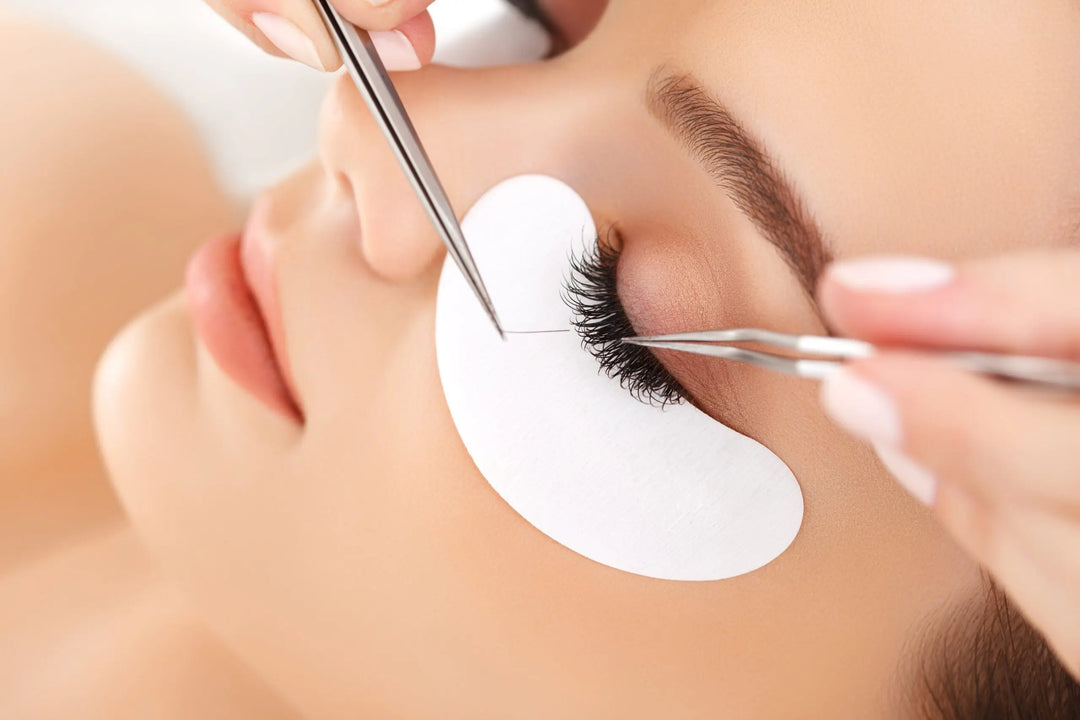
Placement is also critical. The lash extension should sit parallel to the natural lash with enough contact area. The better the contact, the stronger the bond.
Another important point is adhesive speed. If your hand speed is not fast enough, do not choose an adhesive that dries too quickly. For example, if an adhesive dries in under 1 second but your placement takes longer, the glue may cure before it touches the natural lash. This can cause lashes to fall off within just a few days.
A good adhesive should match your working speed, room condition, and technique level.
4. Spend 3–5 Minutes Checking the Set Before Your Client Gets Up
After finishing a lash set, do not remove the tape immediately and let the client leave too quickly.
Take 3–5 minutes to check the entire set carefully.
Look for lifted bases, poor attachment, gaps at the root, excess adhesive, stuck-together lashes, or any areas that may feel uncomfortable once the client opens her eyes.
This final check helps prevent irritation, itching, poking, and early shedding. It also shows professionalism and gives your client more confidence in your service.
A clean final check can help you catch small problems before they become client complaints.
5. Teach Clients How to Care for Their Lashes at Home
Even a perfectly applied lash set can lose retention if the client does not follow proper aftercare.
Lash artists should clearly explain what clients need to avoid and what they should do after the appointment.
For the first few hours after application, clients should avoid getting the lashes wet. They should also avoid oil-based makeup removers, eye creams, and skincare products around the eye area because oil can weaken the adhesive bond.
Clients should clean their lashes gently with a lash-safe cleanser and brush them daily with a clean spoolie. This helps keep the lashes fluffy, clean, and separated.
Client education is not optional. It is part of the service.
When clients understand how to care for their lashes, they are more likely to enjoy better retention, return for fills on time, and trust your professional advice.
The Right Products Make Retention Easier
Strong technique should always go together with professional-quality products.
If the lash fibers are hard to attach, the adhesive does not match the room condition, or the lashes lose curl too quickly, the artist has to work harder to achieve a clean result.
LavisLash offers a wide range of lash extension products for salons, lash artists, distributors, and private label brands, including Premade Fans Lashes, Individual / Classic Lashes, YY Lashes, Colored Lashes, W Lashes, Cluster Lashes, Matte Black Lashes, Flat Lashes, and multiple adhesive options. Many LavisLash lash products use Korean PBT Fiber and are available in different lengths, thicknesses, curls, tray formats, and custom logo options.
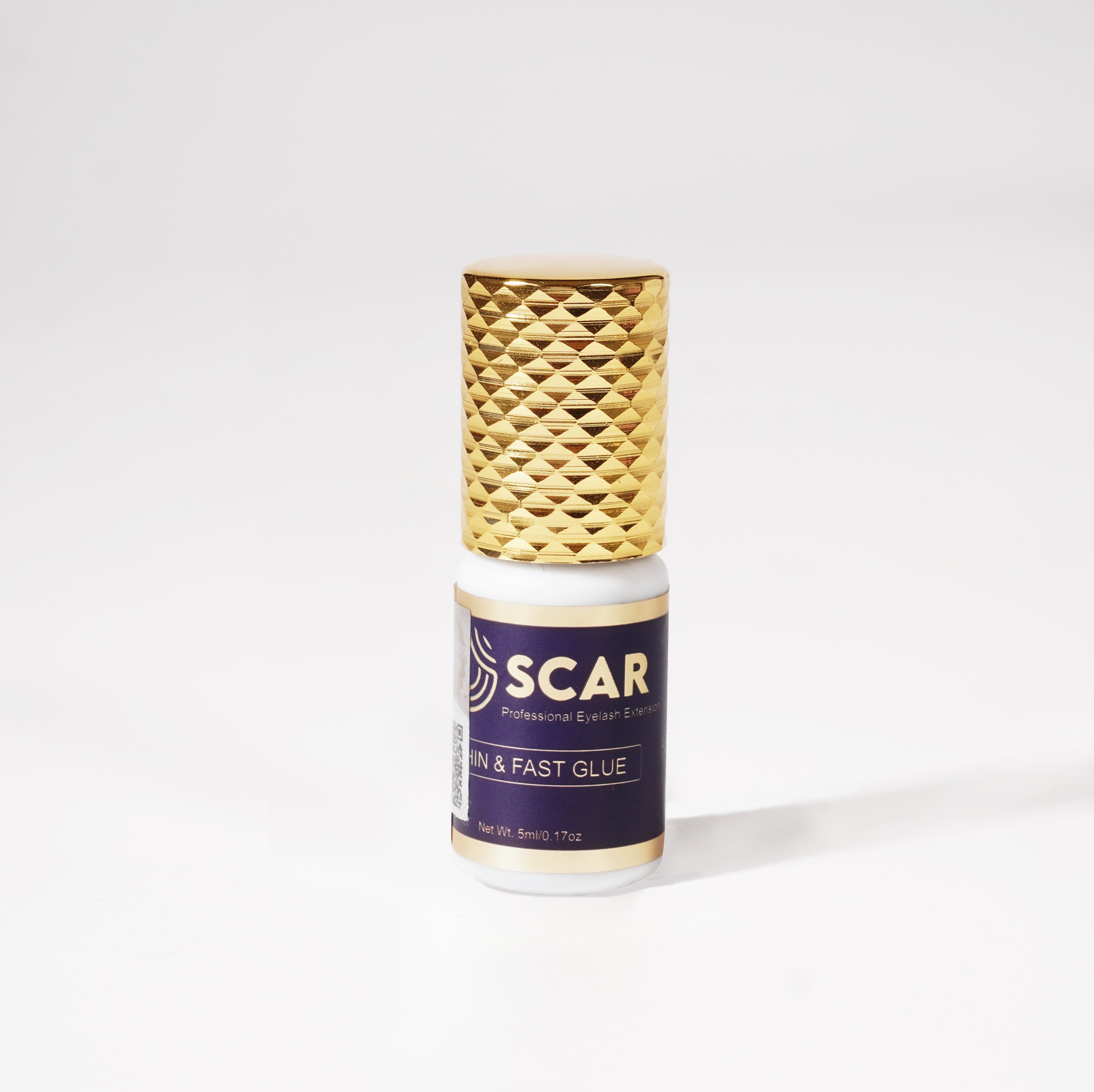
For adhesives, LavisLash provides different formulas with various dry times, humidity ranges, temperature ranges, and retention expectations. Options include H900, Oscar Fast, Purple Oscar, Titan, Nano, and Black Oscar, allowing lash artists to choose a glue that better matches their working environment and application speed.
This flexibility is important because not every salon works in the same condition, and not every lash artist has the same hand speed.
Build Longer-Lasting Lash Sets With LavisLash
Better retention does not come from one single product or one single trick. It comes from a complete system.
Clean the natural lashes properly.
Control your room temperature and humidity.
Use the right adhesive for your speed.
Apply each lash with correct contact and direction.
Check the final set carefully.
Teach your client how to care for her lashes at home.
When all these steps work together, your lash sets can last longer, feel more comfortable, and create a better client experience.
At LavisLash, we understand that lash artists need reliable products that support real salon work. From professional lash trays to adhesive options for different conditions, LavisLash helps artists and salon owners create cleaner, stronger, and more consistent results.
Final Thoughts
Early lash shedding is not always a glue problem. Most of the time, it is a combination of cleansing, environment, technique, product choice, and aftercare.
If you want better retention, start by improving the full process instead of changing adhesive again and again.
With the right technique, the right working conditions, proper client education, and professional products from LavisLash, every lash artist can create sets that look beautiful, feel comfortable, and last longer.
Compartir este
Popular posts
Dejar un comentario